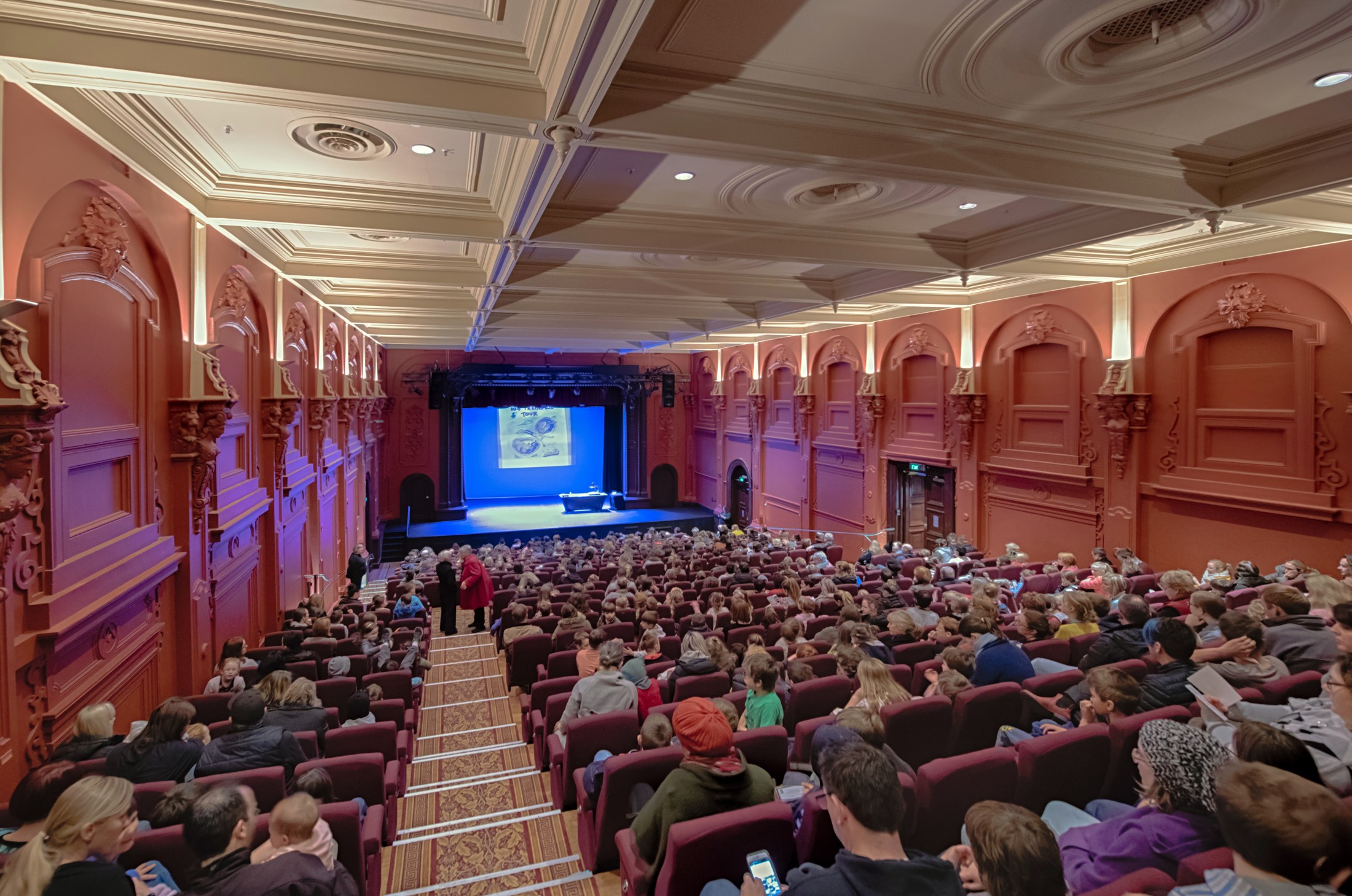
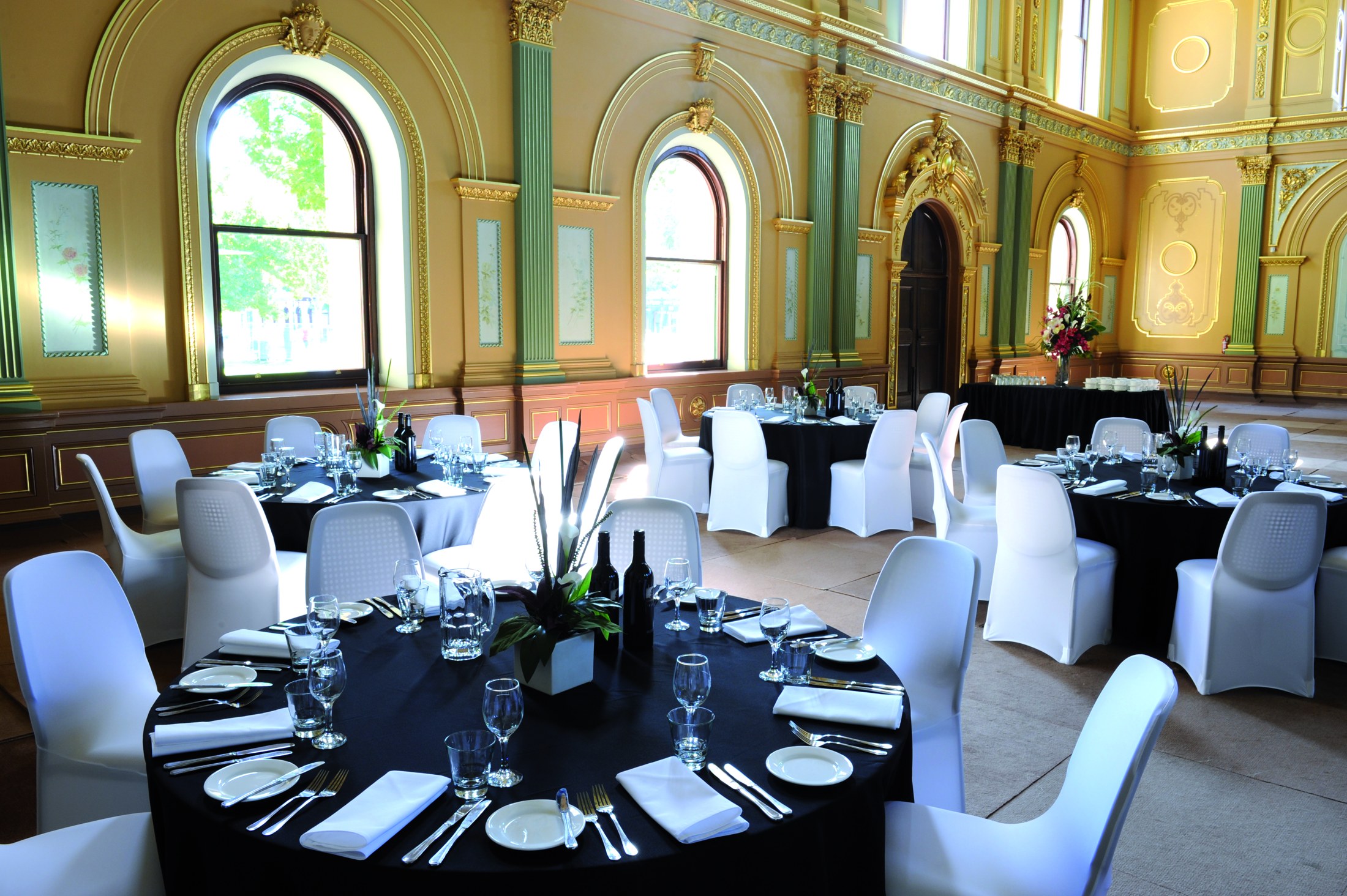
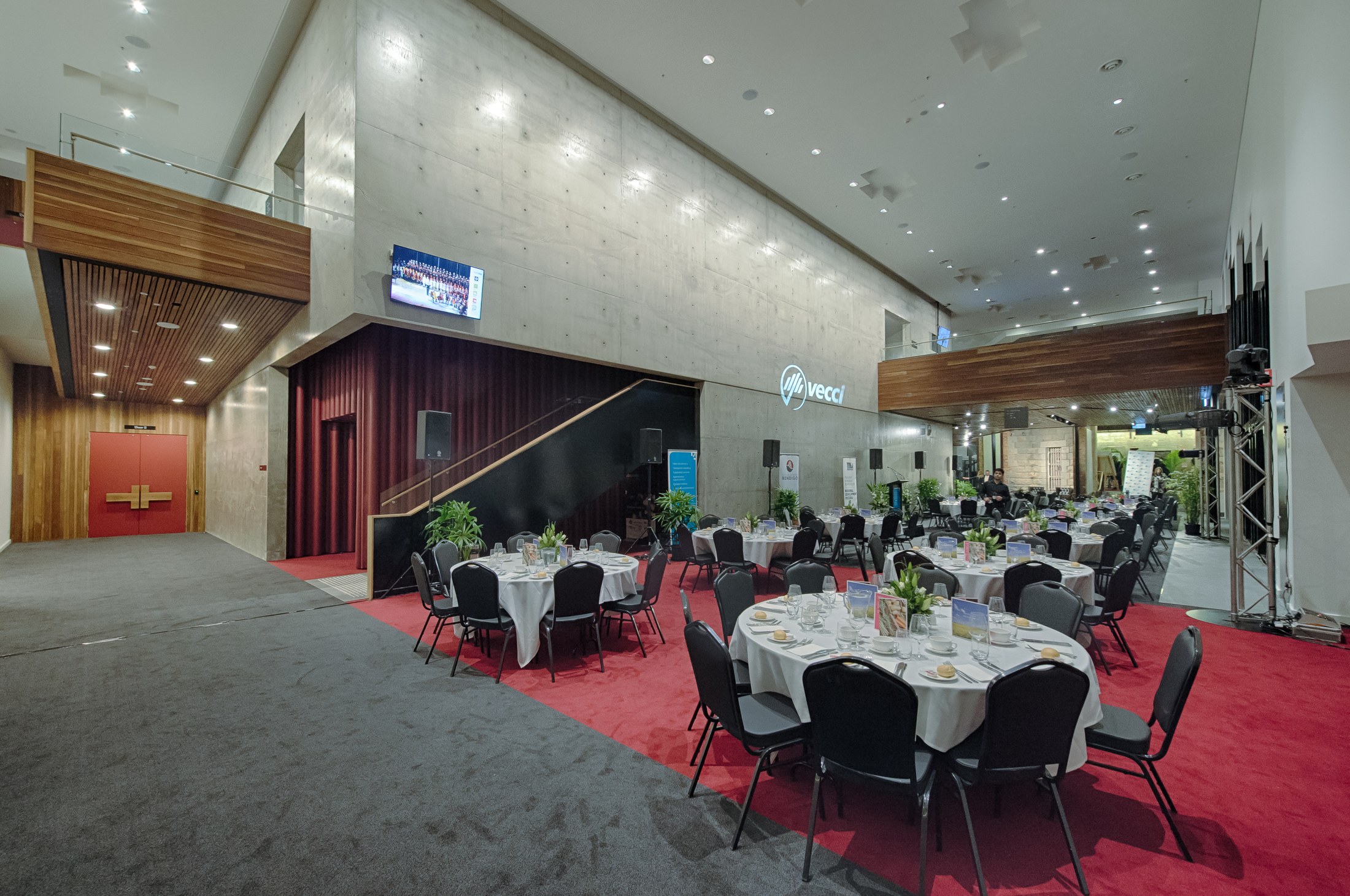
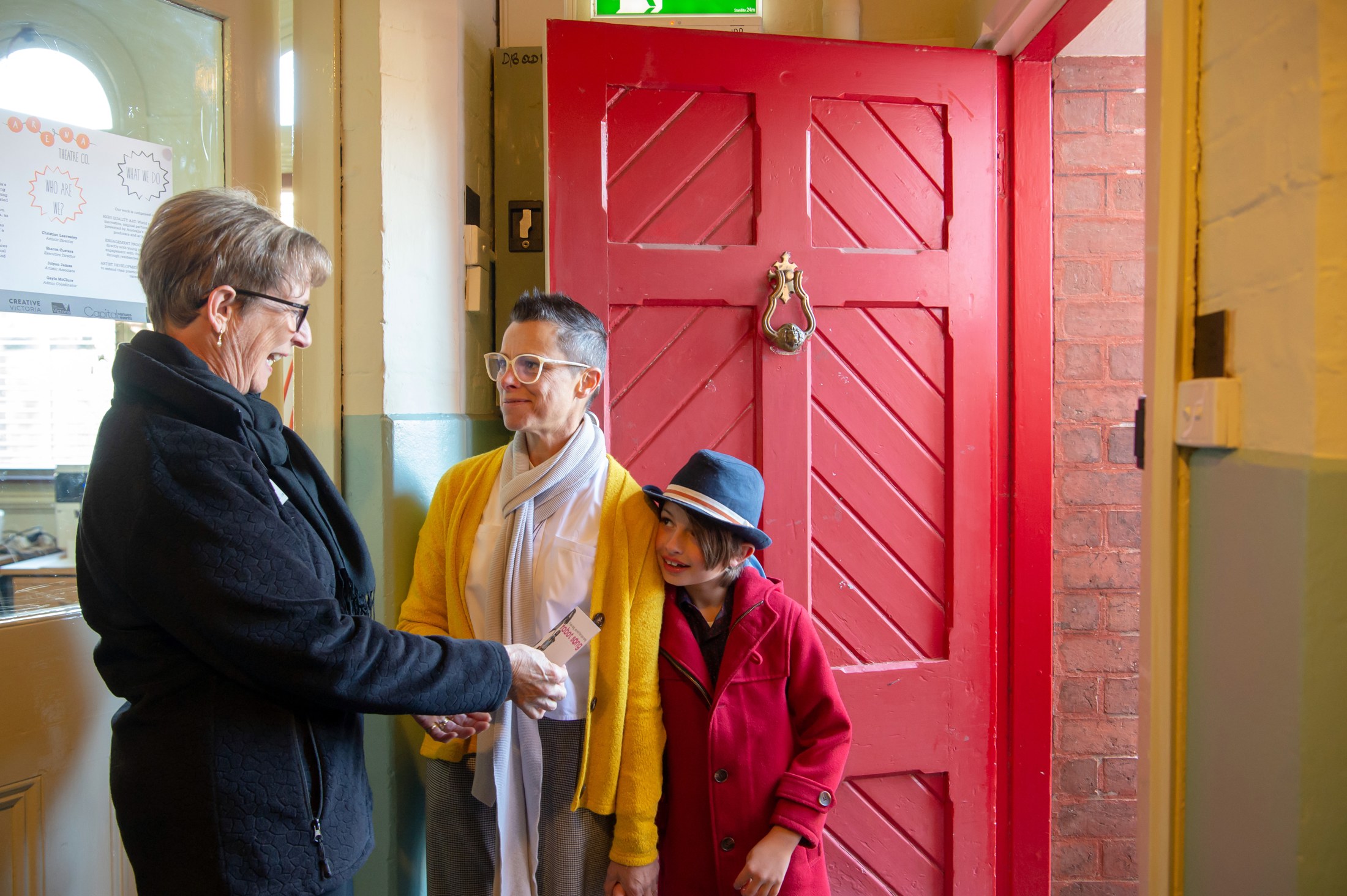
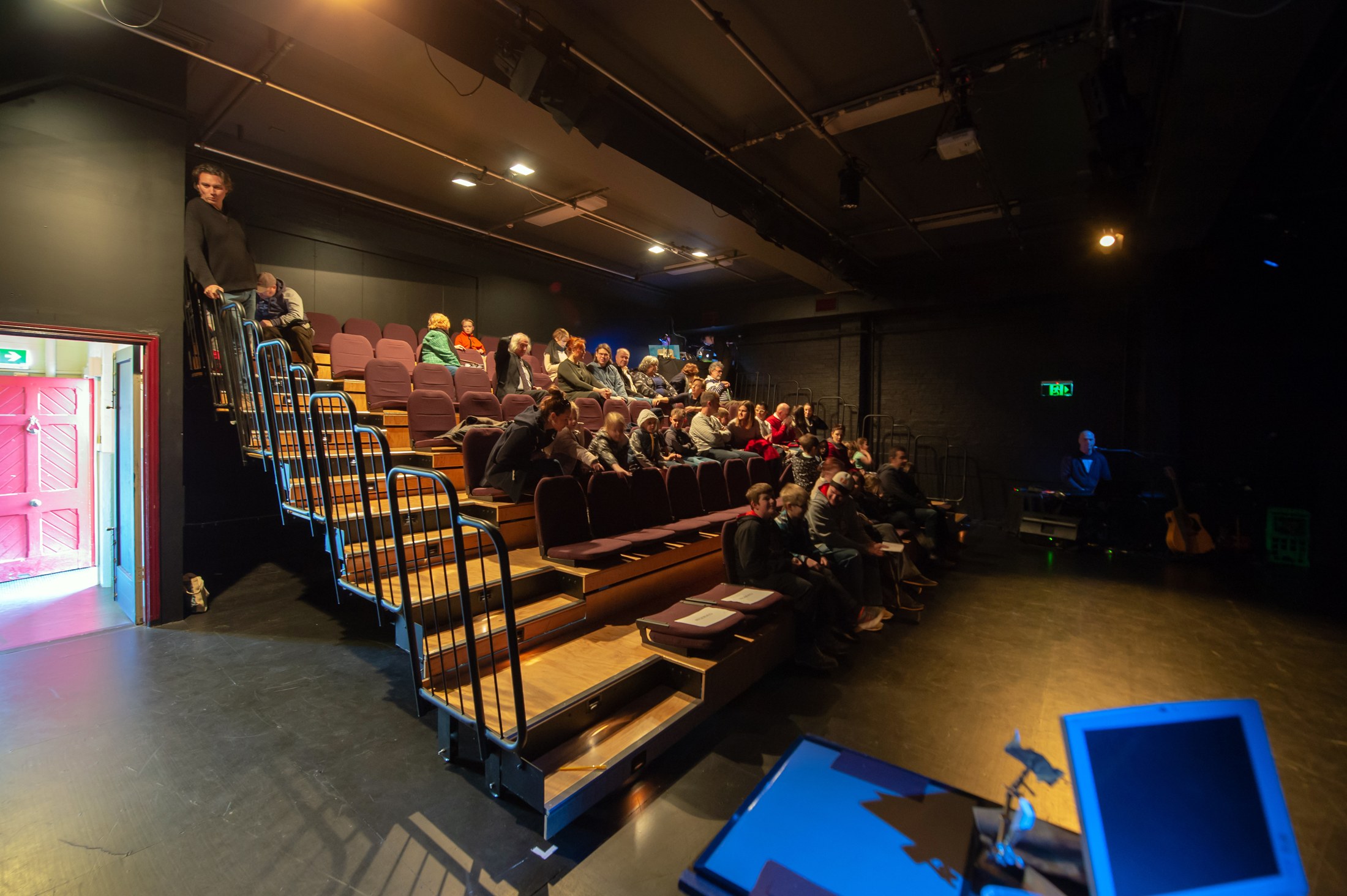
Contextual venue photography; the images illustrate the spaces and audiences, rather than particular events I delivered.
Bendigo Venues & Events
Front of House leadership
Five venues · Bendigo
Establishing a Front of House Services function across five Bendigo venues—with shared operating standards, new systems and a team of around 100 paid staff and volunteer ushers.
Contextual venue photography; the images illustrate the spaces and audiences, rather than particular events I delivered.
BUILDING THE OPERATION
Following a restructure at Bendigo Venues & Events, I became the first person appointed to head the Front of House Services team. I established the operating framework for the function: defining service standards, formalising procedures and building the support a large, mixed workforce needed to deliver consistently across five venues.
I led Front of House across Ulumbarra Theatre, the Capital Theatre, the Old Fire Station (the Engine Room), Dudley House and Bendigo Town Hall. The work spanned theatre audiences, intimate performances, exhibitions and functions, each with its own setting and practical demands.
The team numbered around 100 people, with roughly a dozen paid staff working across part-time and casual arrangements and a much larger group of volunteer ushers. Leading that mix meant understanding different commitments and levels of experience while bringing everyone together around the same responsibility to audiences.

SERVICE & SAFETY
I developed a comprehensive Front of House Services manual and handbook, bringing operational procedures, customer service standards, safety responsibilities and emergency response into a shared framework for the team. Alongside training and fire evacuation drills, it translated the demands of a multi-venue operation into clear responsibilities and consistent practice.
The work established a foundation for how the service was run and how people were prepared to deliver it. It made operational knowledge accessible across paid staff and volunteers, supporting continuity beyond the experience of any one individual.

LEADING CHANGE
Volunteer coordination relied on manually prepared rosters distributed by post and email. I led the transition to BetterImpact, establishing a shared online system for managing the volunteer workforce and a new way for the team to organise its work.
The substantial work was bringing people through the change. Many ushers had given years of service to the venues, but their confidence with digital tools varied. I introduced the system gradually, provided individual help and balanced patience with clear expectations about the transition.
My approach was to take responsibility for the conditions that made change possible. Expecting people to adopt a new system meant making sure they had the confidence, access and support to use it. Sometimes that meant accompanying a volunteer to the Telstra shop to get their mobile phone set up. That practical, individual support was part of a broader commitment: set a clear direction, understand what stands in people’s way, and help them move forward.
BetterImpact became an established part of the operation and continued to be used after my time in the role. Its adoption was a lasting result of the work to build confidence, establish routines and help people participate.
PEOPLE & ACCOUNTABILITY
Leading volunteers requires a particular kind of care. People choose to give their time, and their experience of the organisation shapes whether they want to keep contributing. I worked to support that commitment while being clear about the standards expected of everyone.
I addressed issues with expectations and behaviour through fair, constructive conversations. I learned early that supporting a team includes being willing to work through difficulties rather than leave them unresolved. Valuing someone’s contribution and maintaining a respectful working environment were responsibilities that went together.
LASTING PRACTICE
The role brought together service design, workforce leadership and practical change management. I established working practices and guidance that could be carried forward, alongside a volunteer system that became part of how the team operated.
It continues to shape how I lead: make expectations clear, take people’s circumstances seriously, and provide the practical support they need to meet those expectations.
Start a conversation
Selected work